Sunday, September 28, 2008

Cell Phone Radiation


We are becoming increasingly dependent on technology, feeling obligated to purchase whatever new version of whatever gadget comes out next, be it a computer, mp3 player, or cell phone. But there are potential risks from the increasingly complicated devices, especially cell phones.

When you talk into you cell phone, your voice is transmitted into a radio frequency, which is similar to that of microwave radiation. Radio waves are sent in all directions, to better find the tower that receives the waves, so a portion of the waves actually get into your head as well. Some cell phones have more radiation than others, though. With this radiation, the tissues in the head are heated, affecting the cells because they have to work harder on protecting themselves, instead of focusing on their functions.

This is very important to know, because we use cell phones every day, and we cannot seem to survive without them anymore. When I think back to before I owned a cell phone, I do not know how I managed to do all that I can do now with my phone, without that instant means of communication. With all the texting, taking pictures and videos, and constant chatting, we feel empty without our phones, and cannot rest until they are found.

But, speaking of all technology in general, I think it is important to take a step back, and see how our lives would be without what we use on a daily basis, and notice how much it has all taken over our lives. Maybe instead of sitting at the computer for hours on end, or talking on the phone, we can instead go outside, or read a book once in a while.

Thursday, September 18, 2008

Not Enough Sleep


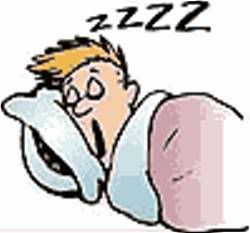
Everyone needs sleep, but with the start of the new school year, sleep seems to be a thing of the past. What with countless hours of homework, extracurriculars, possible jobs, etc., it is practically impossible to get the right amount of sleep, which is obviously vital for us to be healthy, and for our bodies to function properly.

Without sleep, people are less efficient and more irritable. In general, teens require a little over nine hours of sleep to perform at their best during the day. But, depending on the person, and sometimes even their health conditions, a person may need five hours of sleep, or ten hours of sleep. Sleep gives your body a chance to rest and make any necessary repairs, not just from illness and injury, but from the stress and strain of everyday life.

Not getting enough sleep can negatively affect a person during the day. Yawning, sometimes mistaken for signs of boredom, is caused by too little sleep, as is falling asleep during the day and lack of concentration. All of these cause problems for students during the school day, leading to suffering grades.

Getting an hour (or more) less of sleep than you need makes your body and you brain crave sleep as much as if you had pulled an all-nighter. Some people, though, have a hard time falling asleep, especially students (teenagers) under great stress and anxiety, who often have too many worries to fall asleep as soon as possible when they get in bed.

So go "catch some Zs" and get a fresh start for tomorrow.